















Roundtable on the criminalization of dissent
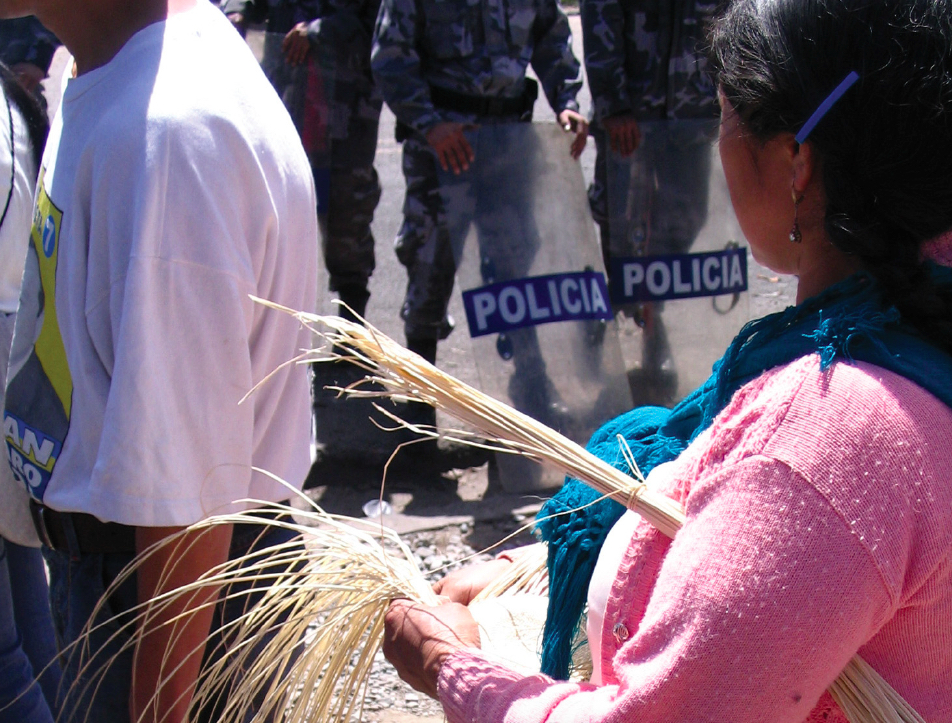
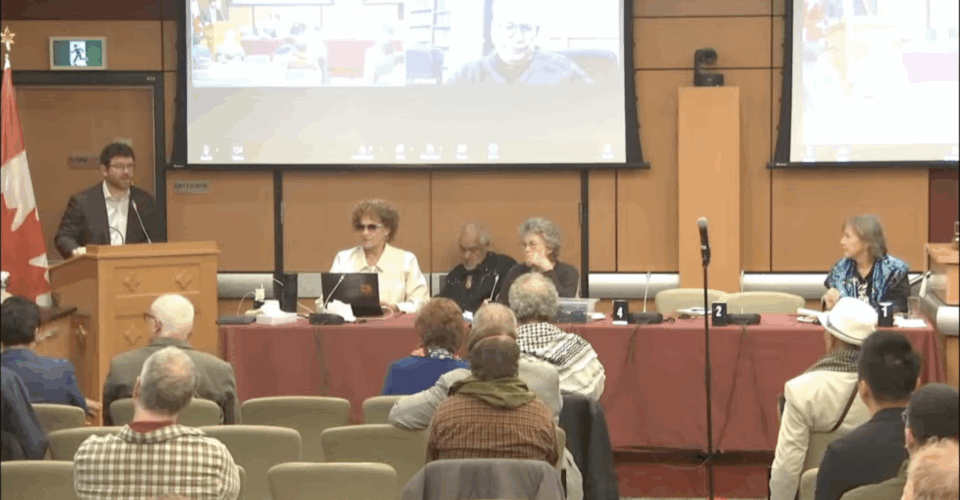
March 6, 2013 - The Human Rights Research and Education Center of the University of Ottawa (HRREC) was the host of a roundtable on the issue of the criminalization of dissent and its impacts on human rights and environmental defenders. The panel presentations was followed by an exchange with the audience on the legal dilemmas and challenges faced by human rights and environmental defenders as a result of this increasing trend.
'The Last Walk of Adolfo Ich' & the criminalization of dissent
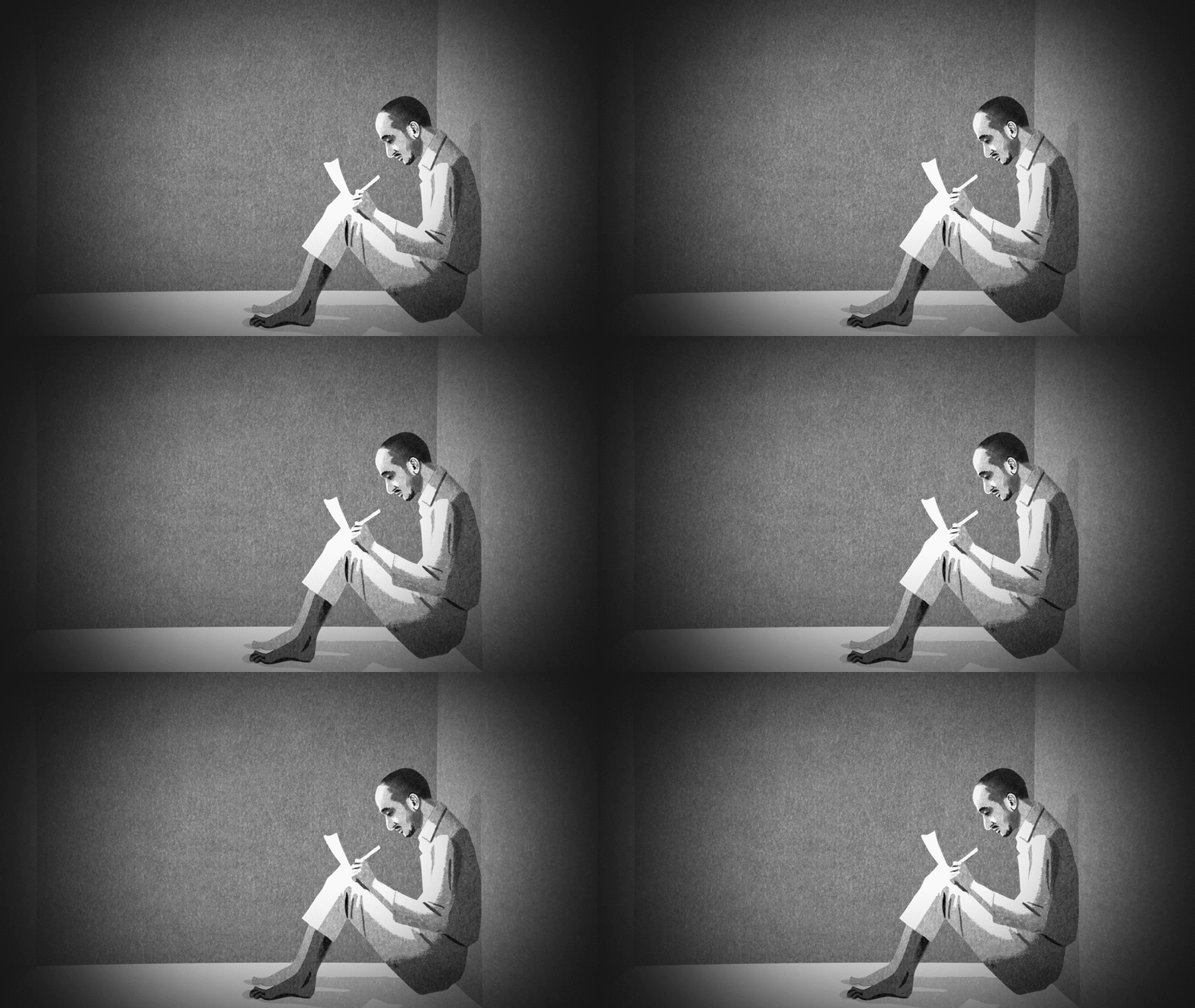
March 5, 2013 - A Co-Presentation with Toronto’s Aluna Theatre of ‘The Last Walk of Adolfo Ich’ and a panel discussion with a Guatemalan human rights defender and local guests about the criminalization of dissent. With Jen Moore from Mining Watch, Ian Thomson from Kairos, Roch Tassé from ICLMG, Brittany Lambert from APG-CCIC and Lolita Chavez from the K’iche People’s Counsel.
Victory for Internet freedom: Conservatives won't bring back online surveillance bill
February 12, 2013 - After a massive public outcry and intense campaigning from the internet community and civil society, including ICLMG, the Conservatives have ditched their online surveillance bill once and for all. Monday's statements from the government mark the defeat of legislation that Public Safety Minister Vic Toews once advocated for by stating that critics of the bill had to decide whether they were "with us or with the child pornographers." Justice Minister Rob Nicholson explained that the controversial provisions the government had tried to push through with Bill C-30 will not be resurrected.
When we use torture, we become who we are fighting against
This essay is a response to Margaret Wente's troubling column "Can you ever argue about torture?" published in The Globe and Mail on February 1, 2013. The Globe and Mail declined to publish ICLMG's response.
ICLMG 04/02/2013 - Remembering history does not mean accepting the horrible acts and the violations of the rule of law and civil liberties perpetrated for a “good cause”. Canada has ruined many lives in its involvement in the war on terror by adopting lax attitudes towards torture, using information obtained through torture, and abandoning individuals in countries where they were tortured because of erroneous information provided by our police and intelligence agencies. To this date, Canada still refuses to apologize and compensate the victims: Abdullah Almalki, Ahmad El Maati, Muayyed Nureddin, Benamar Benatta, and Abousfian Abdelrazik. Our cause, however good we think it might be, becomes morally bankrupt as soon as we use terrorizing and life shattering methods such as torture. We become who we are fighting against.
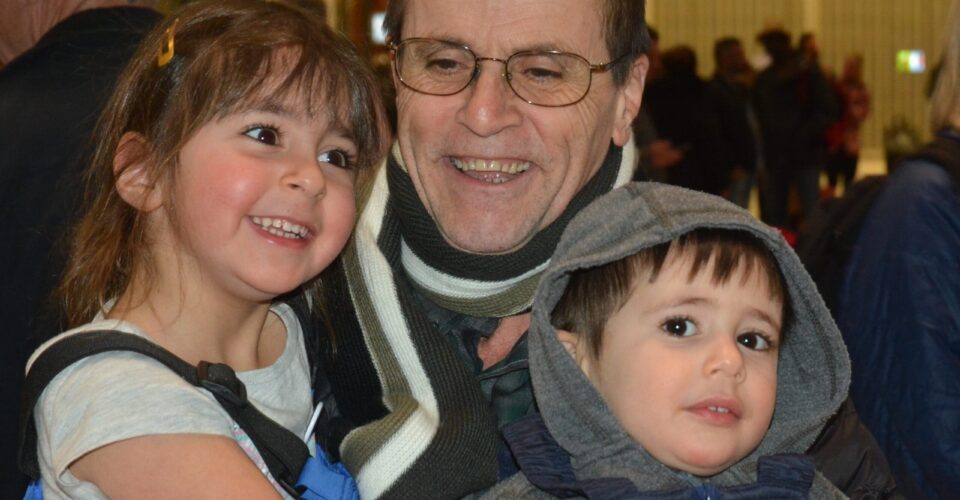
December 10, 2012 - This day marks the 10th anniversary of Mohamed Harkat's arrest under a security certificate. Ironically, it is also International Human Rights Day. ICLMG was on Parliament Hill with Mohamed Harkat, his family, Hilary Homes from Amnesty International, Ihsaan Gardee from CAIR-CAN, Randall Garrison, the NDP Public Safety critic and Elizabeth May, leader of the Green Party to denounce the security certificate regime and demand that this human rights violation stops.
ICLMG testified against Bill S-7 (Combating Terrorism Act) before parliamentary committee
December 3, 2012 - Me Denis Barrette, ICLMG's spokesperson on Bill S-7, has testified before the Standing Committee on Public Safety and National Security on Monday, December 3, to express our opposition to Bill S-7 (Combating Terrorism Act).
ICLMG opposes the reintroduction into the Criminal Code of Canada of two controversial provisions (“preventative detention” and “investigative hearing”) of the Anti-Terrorism Act of 2001 that were subject to a sunset clause and expired in February 2007. In a joint statement endorsed by a group of civil liberties and human rights organizations released last week, ICLMG reaffirms the position that the current powers of law enforcement already allow security agencies to pursue, investigate, disrupt, and successfully prosecute terrorism-related crimes.
Read Me Denis Barrette's testimony
Editorial: Time to address the root causes of terrorism
November 29, 2012 - Last Friday, International Cooperation Minister Julian Fantino outlined his vision for CIDA’s future in an address to the Economic Club of Canada. He spoke of a profound shift towards the private sector, particularly mining companies, and of more explicit work to promote Canada’s interests abroad. The same week, a confidential draft document on Canadian foreign policy was severely criticized by opposition MPs, human rights experts and former diplomats. Thomas Mulcair said in the Commons that “the Conservatives' new foreign policy plan, crafted in secret, includes no vision for human rights, no vision for peace and security, no vision for aid and international development, no vision for Canada as an even-handed leader on the world stage.” Read more
Warren Allmand's presentation on Bill C-42 before the SECU Committee
November 8, 2012 - Warren Allmand has appeared before the Standing Committee on Public Safety and National Security (SECU) on Wednesday October 24, 2012 to present ICLMG's position on Bill C-42, Enhancing Royal Canadian Mounted Police Accountability Act. Read more
Submission of Information by the ICLMG for Canada's UN Universal Periodic Review
October 2012 - The ICLMG has sent its submission of Information to the Office of the High Commissioner for Human Rights in relation to the Human Rights Council's Universal Periodic Review of Canada to take place in April 2013.
Summary of comment on Bill C-43: Reducing fairness for refugees and permanent residents
Less fairness for people inadmissible on grounds of security, human or international rights violations or organized criminality
These inadmissibility sections are extremely broad and catch people who have committed no crime and represent no danger to safety or security. Among those affected are people who are inadmissible simply because they worked against undemocratic or brutal regimes.
Bill C-43 would deprive such people of fair consideration of their situation, by:
These changes are inconsistent with the Canadian Charter of Rights and Freedoms and Canada’s international legal obligations:
Less fairness for permanent residents facing loss of status because of serious criminality
Bill C-43 denies permanent residents the right of appeal to the Immigration and Refugee Board if they are sentenced to imprisonment for six months or more (currently it is 2 years). This means that these permanent residents will be removed without an independent decision-maker considering all the relevant circumstances of the case, which might include:
For details on these and other concerns, see the CCR submission.
Letter to Minister Toews on the Use of Torture-tainted information
Endorsed by ICLMG and ten civil society organizations
September 6, 2012 - We are writing to you today to express our opposition to the government's directives that would allow for the use of information that was likely extracted through torture. These directives are currently in the public spotlight following disclosure through an Access to Information request. Read more
Read the directives obtained under the Access to Information Act
L'Accord canado-américain sur la sécurité du périmètre : une menace pour la sécurité des Canadiens
Letter written by ICLMG and la Ligue des droits et libertés (in French only)
July 10, 2012 - L’accord canado-américain sur la sécurité du périmètre rendu public lors du passage de Stephen Harper à Washington la semaine dernière représente ni plus ni moins que l'intégration du Canada à l'appareil sécuritaire des États-Unis, sans aucune protection pour les canadiens des abus qui pourraient en découler. C'est l’abandon pur et simple des normes canadiennes en matière de protection de la vie privée. Read more
Omar Khadr: Committee against Torture recommends transfer to Canada and redress for human rights violations
Press release written by ICLMG and Lawyer's Rights Watch Canada
June 1, 2012 - The Committee against Torture issued its Concluding Observations on Canada on May 31. The hearing on Canada was held in Geneva May 21-22. Among the issues the Committee reviewed was Canada's treatment of Canadian Omar Khadr during his ongoing detention at Guantánamo prison. Omar Khadr is a Canadian citizen, captured in at age 15 in Afghanistan by the US in 2002 and imprisoned since in Bagram and Guantánamo Bay prisons. Read more
Briefing to the Committee against Torture, 48th Session, May 2012 on the Omar Khadr case
Submitted by ICLMG and Lawyers’ Rights Watch Canada
May 2012 - Re: Canada's failure to comply with obligations under the Convention against Torture and other Cruel, Inhuman and Degrading Treatment or Punishment1 (the Convention) to prevent, prosecute, and remedy the torture and other cruel, inhuman or degrading treatment or punishment of Canadian citizen Omar Khadr during his ongoing detention at Guantánamo Naval Base, Cuba. Read more
Submission of Information to the Committee Against Torture (CAT) for the Examination of Canada’s 6th Report
Submitted by ICLMG and endorsed by the Canadian Association of University Teachers
May 2012 - The ICLMG submits that certain Canadian policies, practices and cases contravene multiple provisions of the “Convention Against Torture”. In this respect, we request the Committee to take note of the following information which we urge the committee to use in formulating questions, comments, observations and recommendations when Canada’s 6th Report comes up for its S.19 examination during May 2012. Read more
Contact information
International Civil Liberties Monitoring Group
338 Somerset Street West
Ottawa, Ontario K2P 0J9
(613) 241-5298
Roch Tassé, National Coordinator
Anne Dagenais Guertin, Communications and Research Coordinator